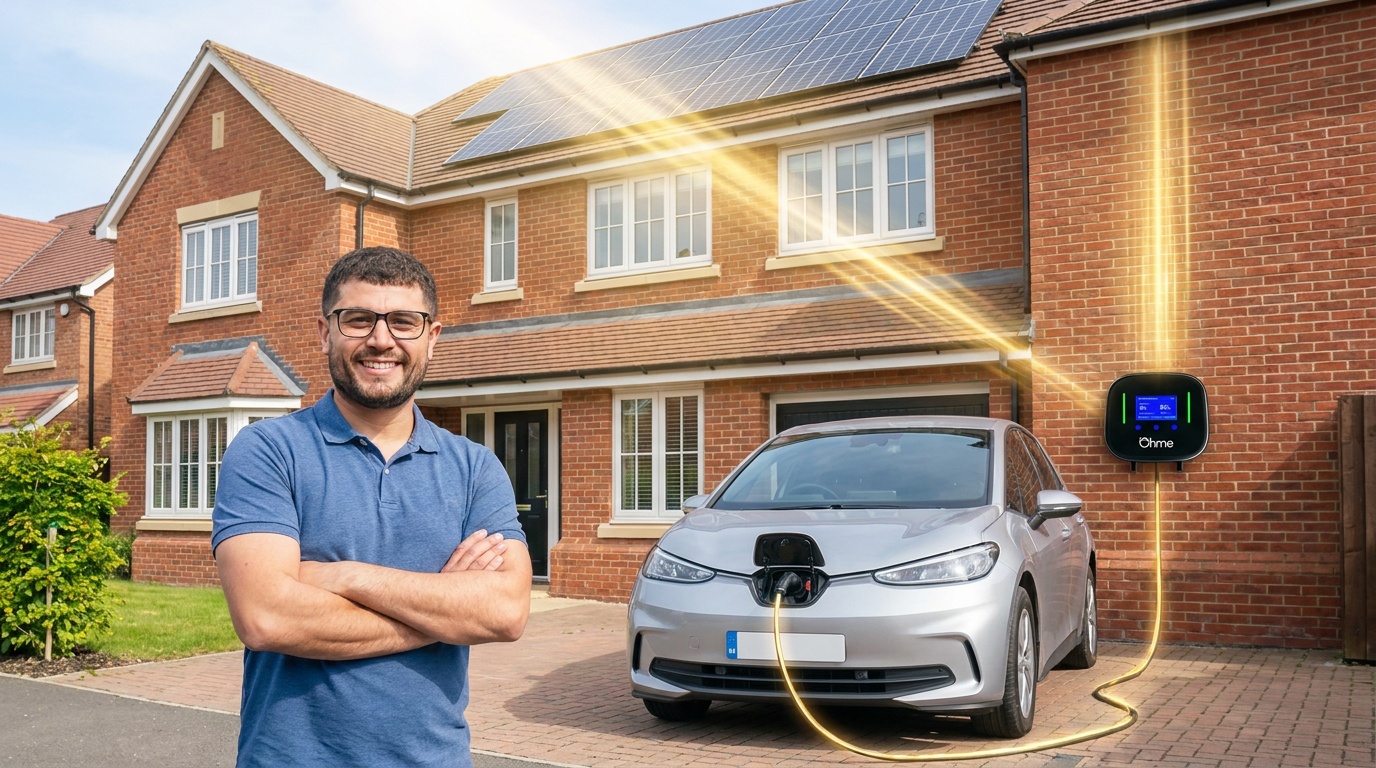

If you've got solar panels on your roof, there's a good chance you're giving electricity away: selling it back to the grid for a few pence, then buying it back later for a lot more. If you drive electric, there's a better place to put it. In your car.
The maths: export it or drive on it?
When your panels make more than the house is using, the spare goes back to the grid. Depending on your export tariff, you're paid anything from a few pence up to about 15p a unit for it. When you charge your car from the grid on a standard tariff, you pay around 24p a unit.
Say your panels have 12 kWh spare over an afternoon. That's roughly 40 to 48 miles of driving in a typical EV:
- Export it at 5p a unit: you earn 60p.
- Put it in the car instead: you save buying 12 kWh later, which is nearly £3 at 24p a unit.
If you're on a cheap overnight EV tariff, compare your export rate with your overnight rate. The bigger the gap between what you're paid to export and what you pay to charge, the more solar charging is worth to you. You don't have to choose one or the other, either. Solar in the day and your cheap tariff overnight work happily side by side.
Why the car is the best place for it
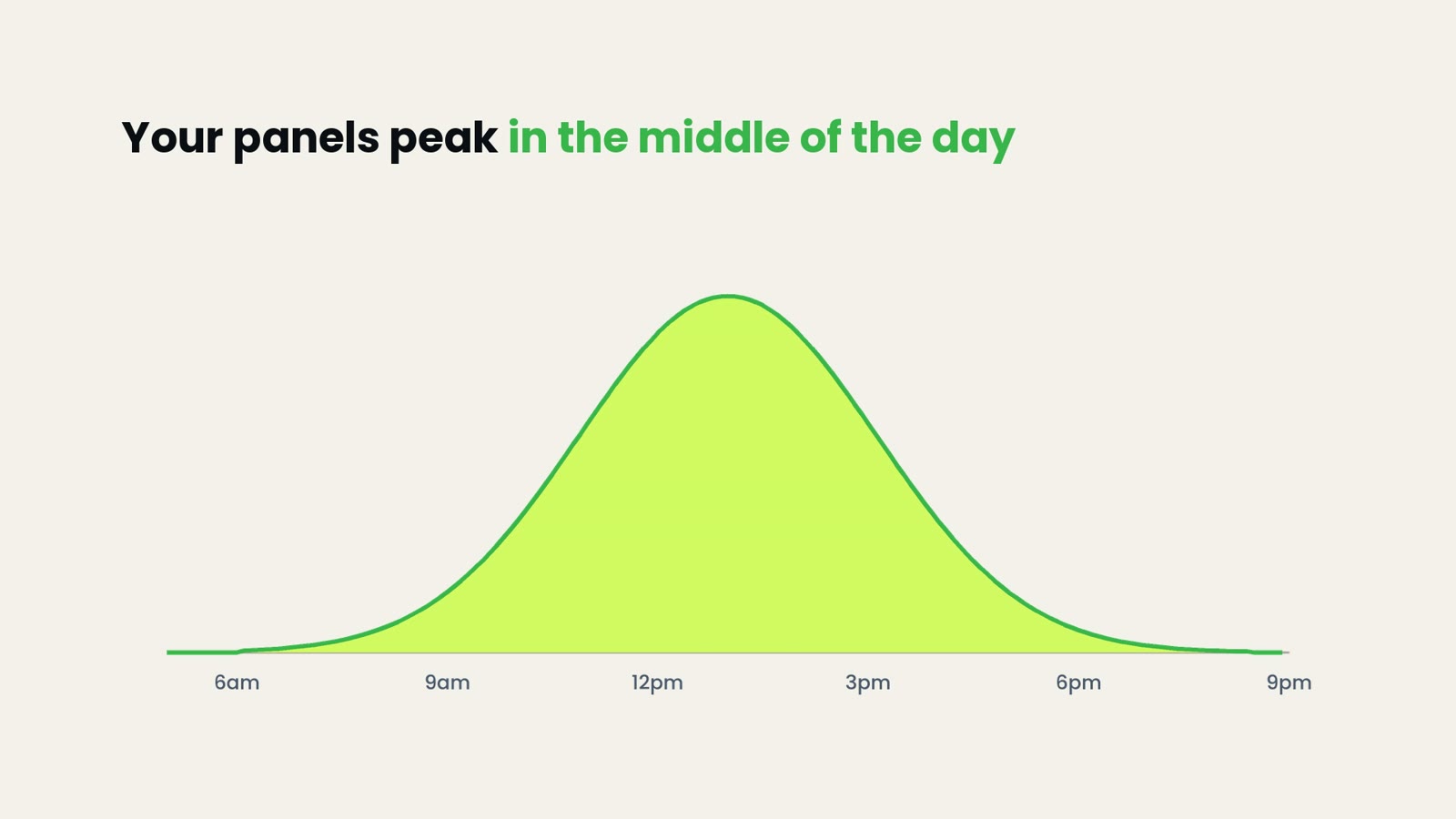
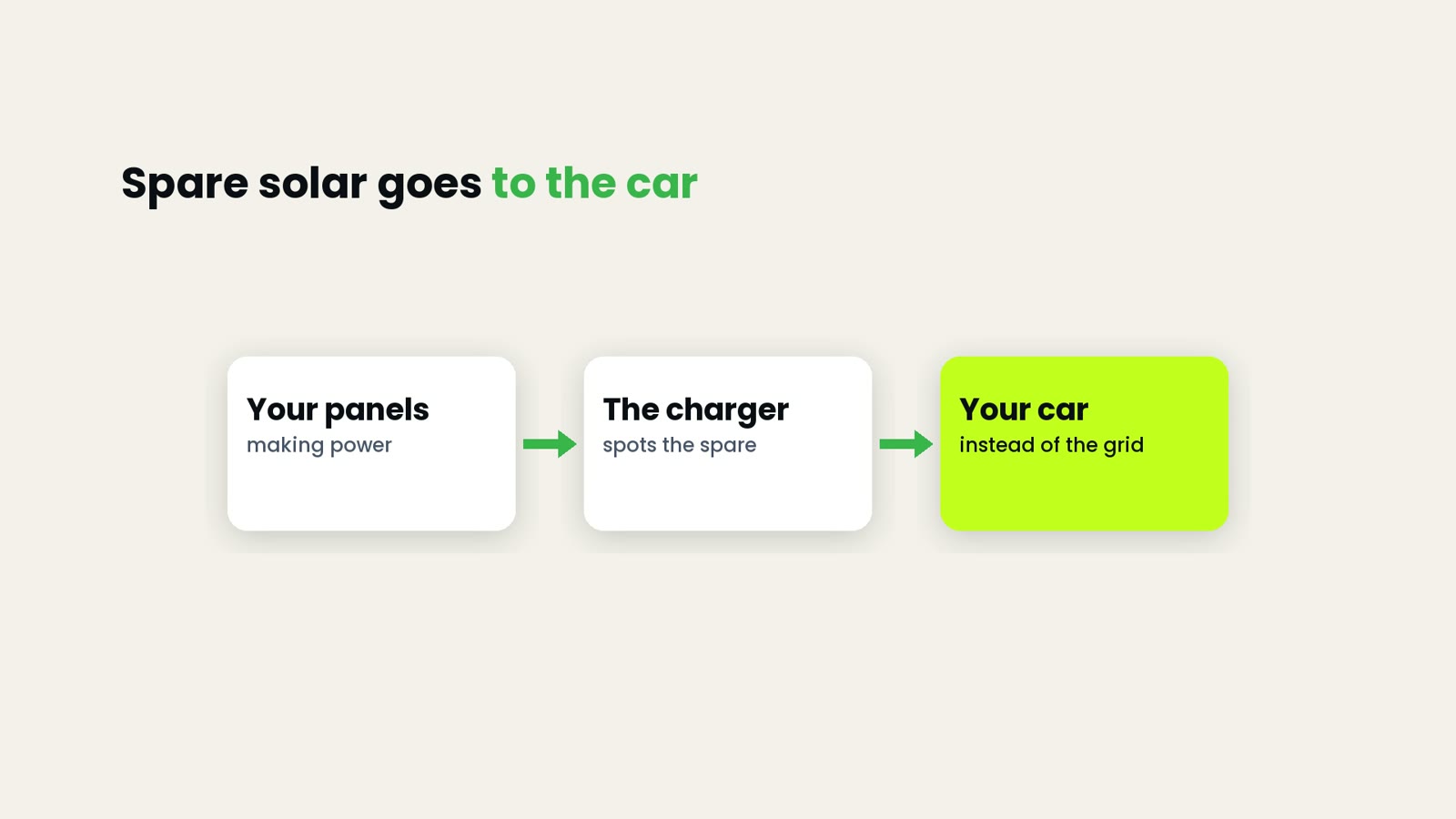
Your panels make the most in the middle of the day, which is usually when nobody's in to use it. Meanwhile your car's sat on the drive doing nothing. A solar-aware charger watches what your panels are making, and when you've got some spare, it sends it straight to the car instead of the grid. Those are miles you already paid for when you bought your panels.
How the Ohme does it
Both chargers we fit, the Ohme Home Pro and the Ohme ePod, can do this. If you're not sure which suits you, here's our Ohme ePod vs Ohme Home Pro comparison.
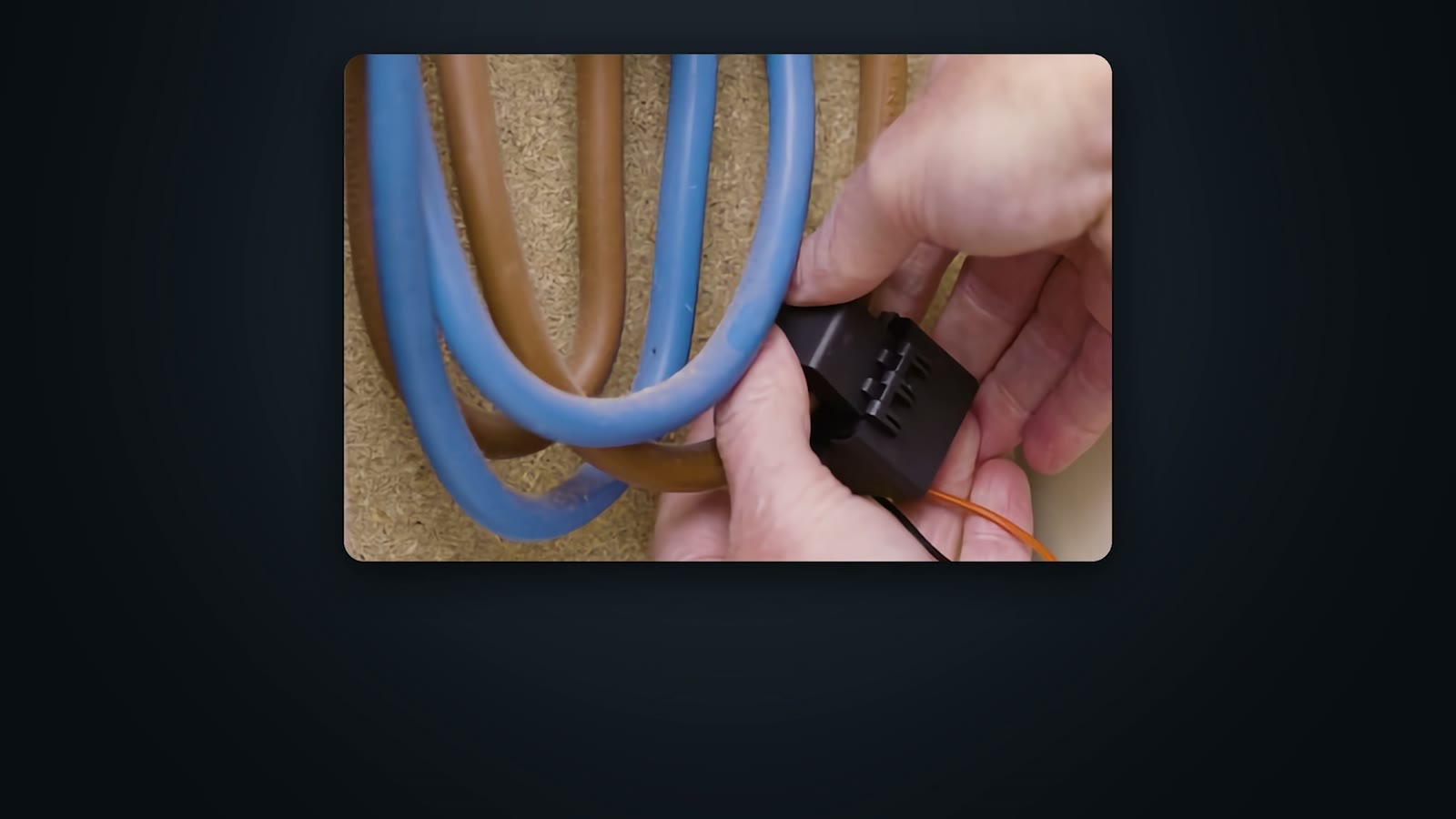
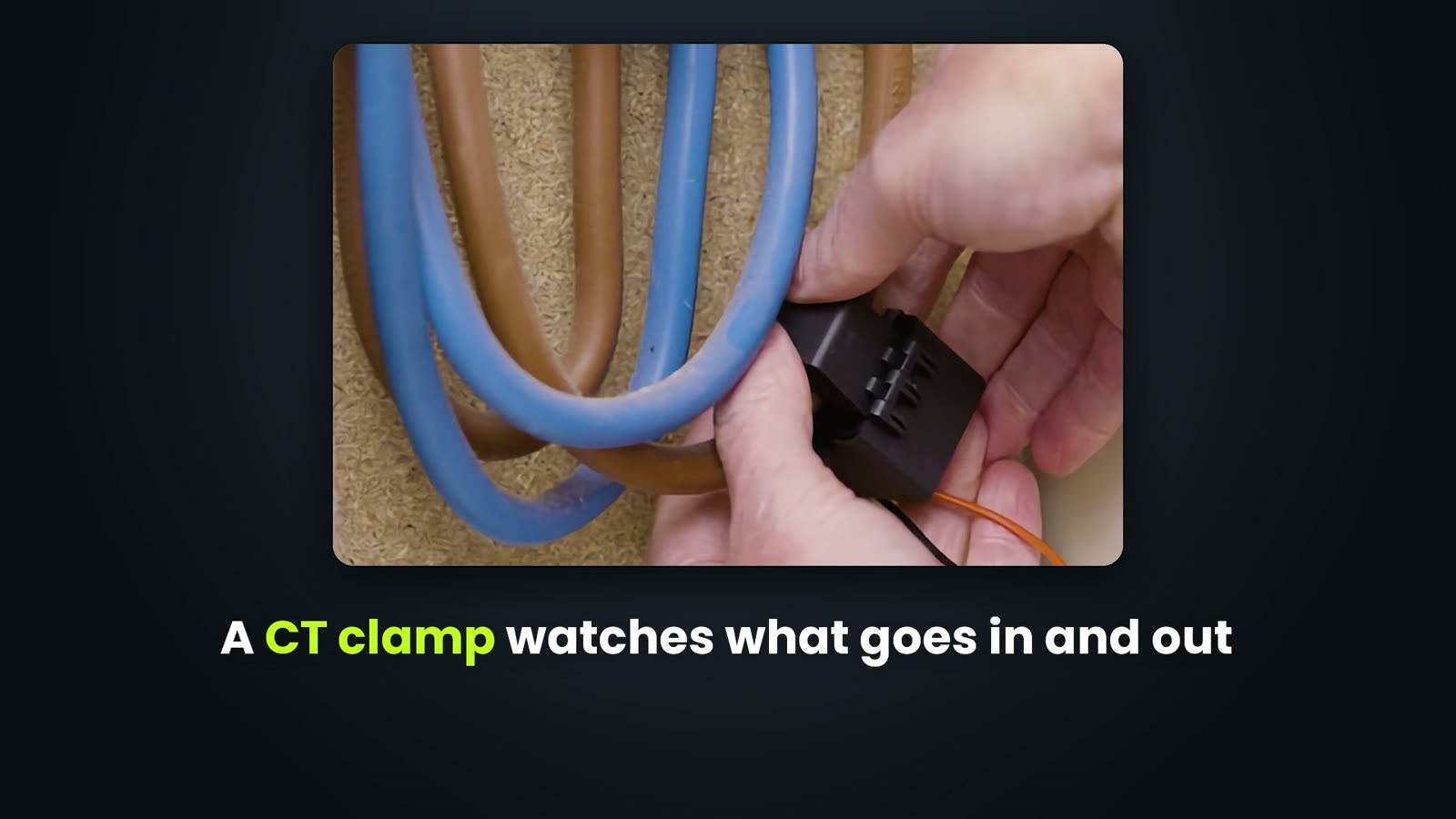
- A small sensor called a CT clamp goes around the main cable coming into your house. It comes in the box.
- It watches what's going in and out of your home.
- You switch solar on in the Ohme app.
- When the panels are making more than the house is using, the spare goes into the car.
When it kicks in
An EV can't charge on a trickle. The minimum most cars will accept is 6 amps, which is about 1.4 kW. So the Ohme needs about one and a half kilowatts spare before it starts sending solar to the car. The more your panels make over what the house is using, the faster it goes in.
How to get more of it into the car
- Plug in as soon as you're home, so the car's ready whenever there's spare.
- Stagger the big appliances. The washing machine, dishwasher and oven all eat into the spare, so run them at different times from when you want the car charging.
- Pair it with an overnight tariff. Solar during the day, cheap grid electricity overnight to top up whatever's left.
Who it suits
- Working from home, or the car's usually on the drive in the day? It makes a real difference.
- Car at work all day? It isn't there to soak up the solar, so a cheap overnight tariff will probably do more for you.
That's the bit we'll tell you honestly before you spend anything.
Questions we get asked
Will it work with the panels I've already got?
In most cases, yes. The Ohme reads what's going in and out of the house through the CT clamp, so it works alongside most existing solar setups.
Can I switch solar charging off?
Yes. It's a setting in the Ohme app, so you can turn it on or off whenever you like, for example if you need a full battery for a long trip in the morning.
Will I still get paid for what I export?
Yes. Anything the car doesn't use still goes back to the grid as normal, and you're paid for it on your export tariff.
And with 0% VAT on home electricity, charging at home is now far cheaper than public.
Want us to tell you whether it's worth it for your house? Get in touch here, or read more about our home EV charger installation.


