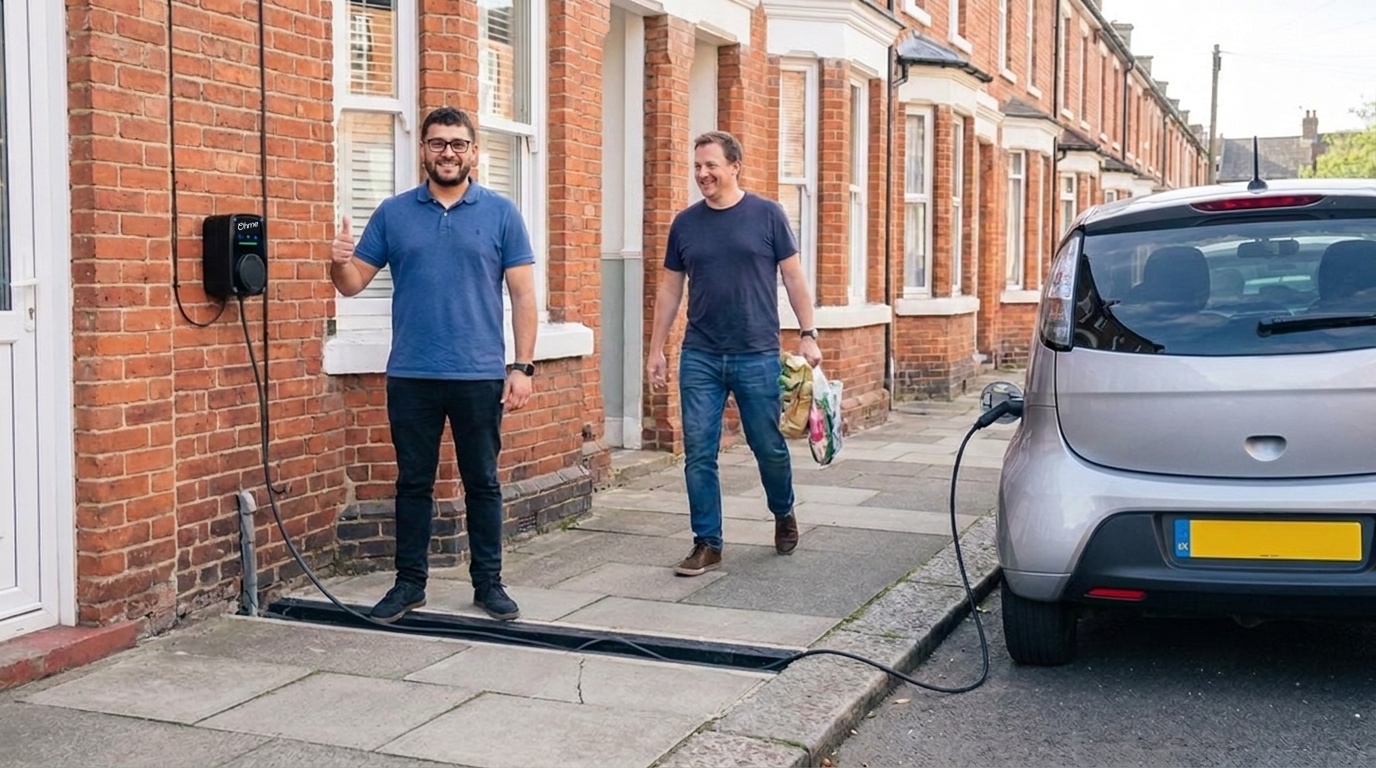

If you park on the street outside your house, you've probably been told home charging isn't for you. As of 21 October 2026, in England, that's changed. Most pavement charging channels no longer need planning permission, and there's a grant of up to £500 towards the charger. Here's what that means in practice, what still needs a yes, and the order to do things in so you don't lose the grant.
Why it's worth the effort
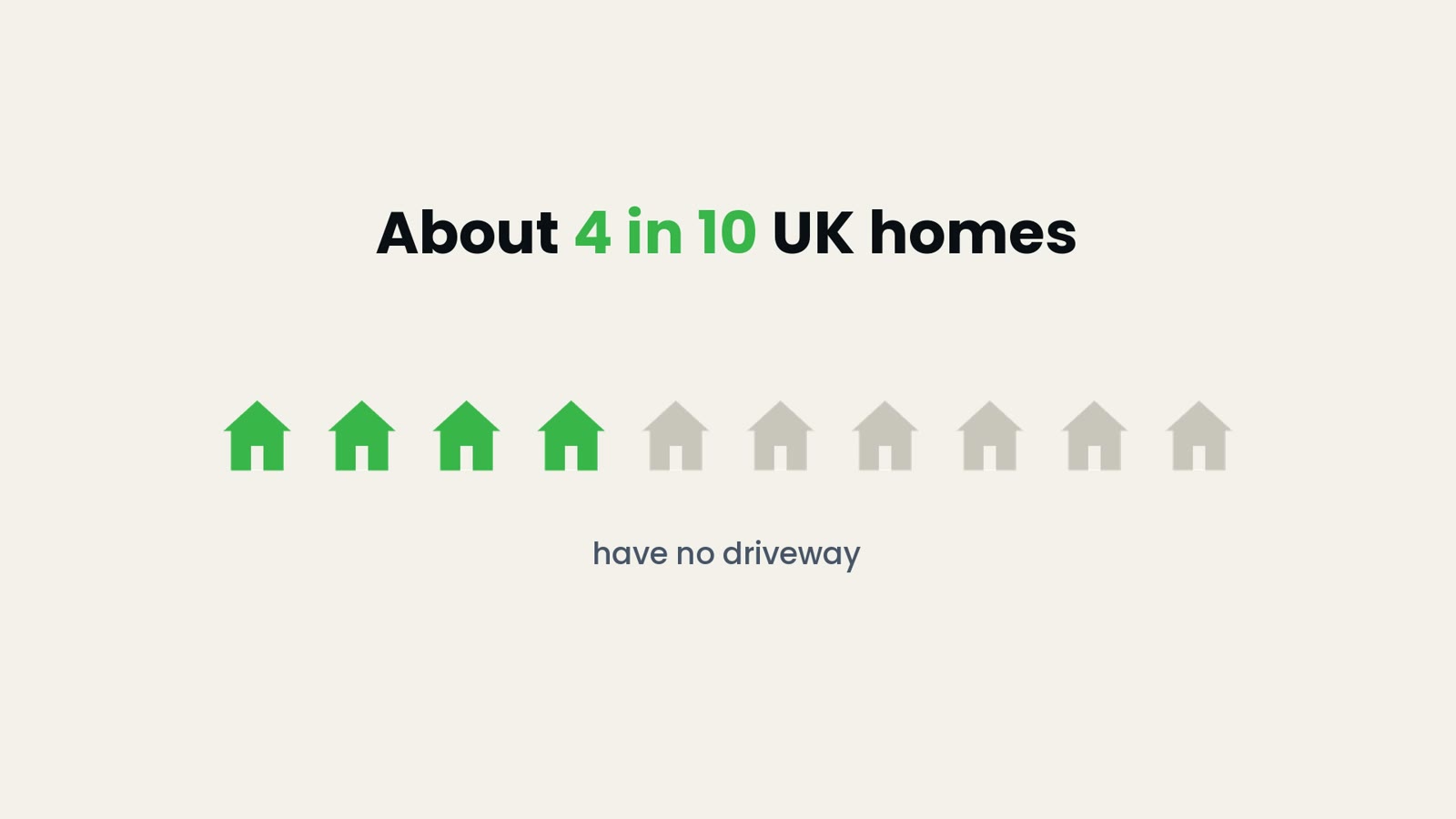
About 4 in 10 UK homes haven't got a driveway, and for most of those households the only option has been public charging. The price gap is huge. A good overnight EV tariff is around 7p a unit. The average public rapid charger is around 77p a unit.
Take a typical driver doing 10,000 miles a year in a car that does about 4 miles per kWh. That's roughly 2,500 kWh of electricity a year:
- Charging at home overnight at 7p: about £175 a year.
- Charging on public rapids at 77p: about £1,925 a year.
Even if you only move some of your charging home, it adds up quickly. That's why a channel is worth the paperwork.
What a charging channel actually is
A charging channel (some councils call it a gully) is a narrow slot cut into the pavement, flush with the surface, with a cover on top. Your cable drops into it while the car charges and lifts out when you're done. The pavement stays flat and nobody trips.
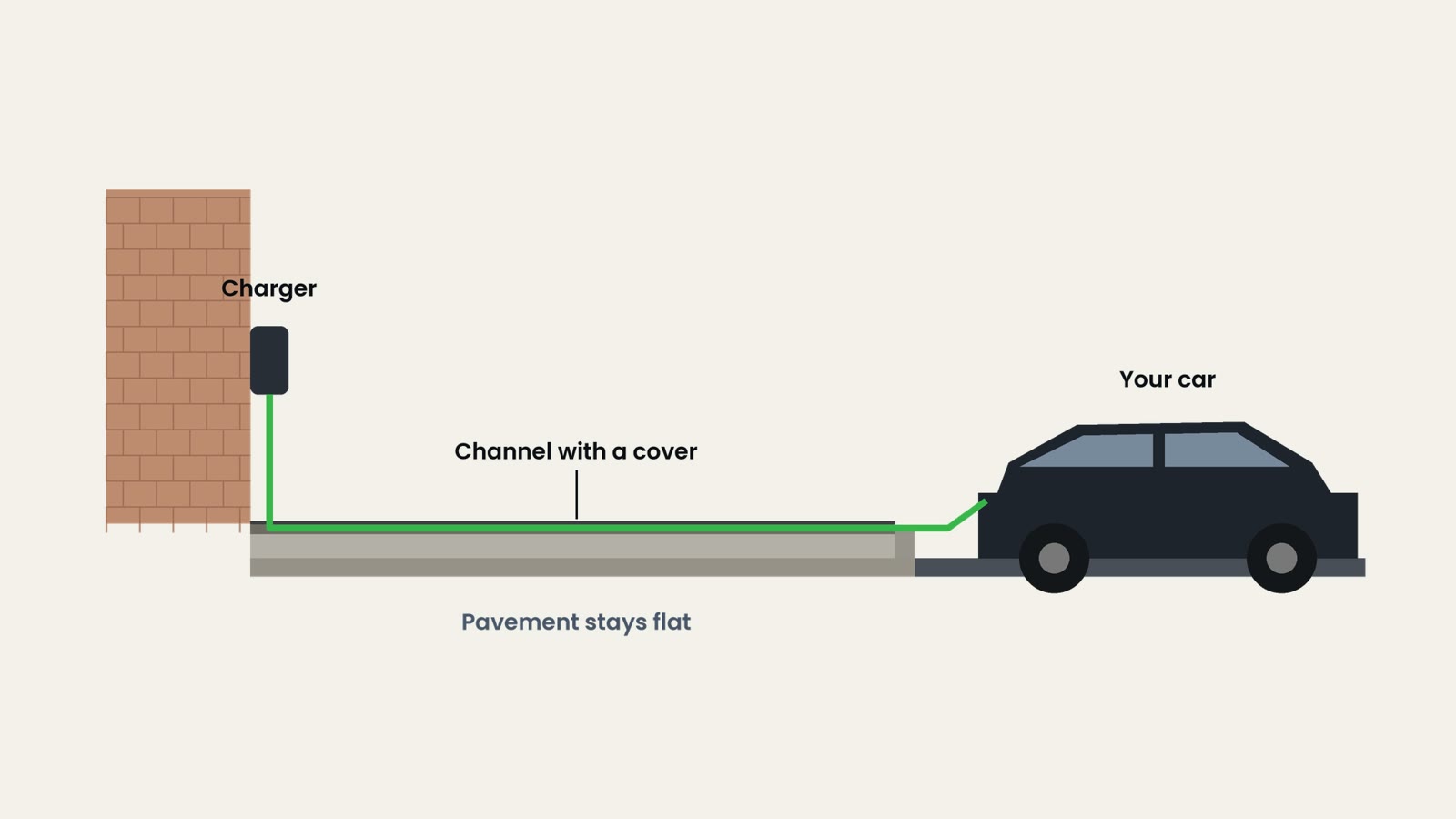
One thing to know straight away: cable mats and covers that sit on top of the pavement don't count. It has to be a permanent channel, both for the new planning rules and for the grant.
What changed on 21 October
New permitted development rights in England now cover a pavement charging channel and the charger that goes with it, as long as they're fitted together. In plain terms, in most places you no longer need to put in a planning application, pay the fee and wait weeks for a decision.
The "fitted together" part matters. The rules are written for the channel and the charger going in as one job, so plan it that way from the start.
What still needs a yes
Permitted development takes away the planning application. It doesn't take away everyone else's say:
- Your council's highways team. The pavement belongs to the highway authority, not you. You need their consent before anyone cuts into it, and you must never fit a channel in a public pavement yourself. Every council has its own process, and not all of them approve channels yet.
- Conservation areas and listed buildings. Planning permission may still be needed, so check with your local planning authority before you go any further.
- Anyone else with a say over the building or the road. If you rent, you need your landlord's permission. In a flat, the freeholder or managing agent. Some roads are privately owned, which means the landowner gets a say too.
The £500 grant, and the trap
The chargepoint grant for households with on-street parking gives you 75% off the cost to buy and install a charger, up to a maximum of £500, when you fit a permanent channel alongside it. To qualify you need to:
- own or rent the home, and live in it
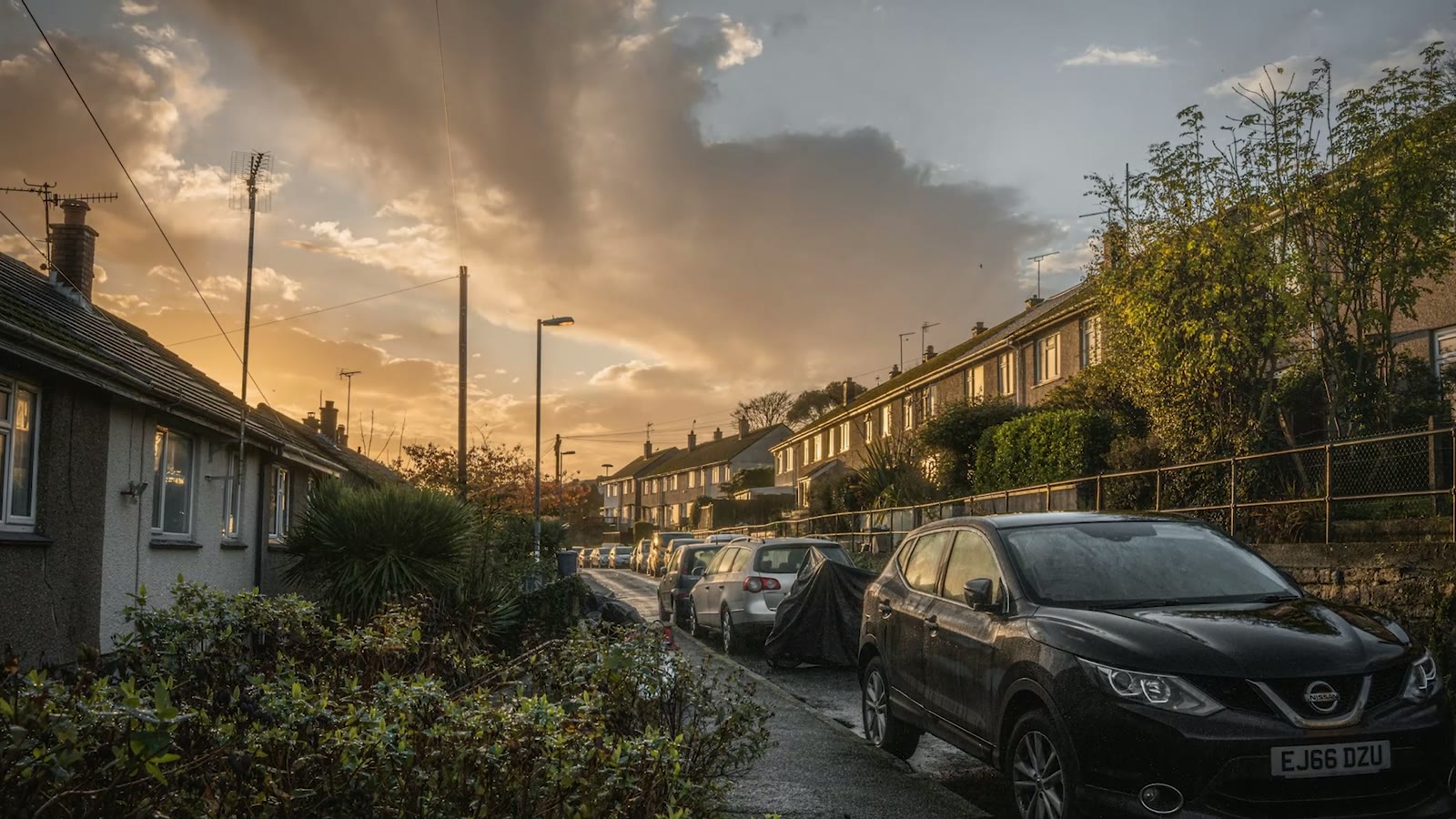
- have on-street parking only, so no driveway, garage or residential car park
- have reasonable on-street parking outside or near your home
- have consent from your council's highways team for the channel
- own or be responsible for an eligible electric or plug-in hybrid car
- use an OZEV-authorised installer and an approved charger
It's open until 31 March 2027 and covers England, Scotland, Wales and Northern Ireland. Every home grant is summarised on gov.uk, and we've rounded them all up in this video on every EV charging grant going.
The trap: the grant can't be backdated. If the charger goes on the wall before OZEV confirms you're eligible, you lose it. Don't let anyone fit anything until that confirmation has landed.
The order to do it in
- Check your street. Can you usually park outside or close to your house? Is it a conservation area or a listed building?
- Get any permissions you need from a landlord, freeholder or private road owner before anything else.
- Get a survey and quote from an OZEV-authorised installer. They'll check where the charger can go, the cable route to the kerb and whether your electrics are ready.
- Apply to your council's highways team for consent for the channel.
- Apply for the grant once you've got highways consent, because the application needs it as evidence.
- Wait for OZEV to confirm you're eligible. Your installer is told at the same time.
- Get the channel and charger fitted as one job. Your installer takes the grant off your bill and claims it back, so you never pay the full amount and wait for a refund.
Things worth knowing before you start
- It doesn't reserve you a space. The channel and the grant don't give you a parking bay. If someone's parked outside, you'll need to wait or have a cable long enough to reach a nearby space.
- Measure the distance. Check how far it is from the wall to where you usually park. It decides where the charger goes and how long your cable needs to be.
- Bring the cable in. Don't leave it in the channel when you're not charging. It keeps the pavement clear and stops anyone tampering with it.
- Start with highways. Council consent is usually the slowest part, and it varies a lot from one council to the next.
Which charger works best with a channel?
Both chargers we fit work. The Ohme ePod is untethered, so you plug in your own cable, choose the length that suits your street and take it inside when you're done. That makes it the neater choice for a lot of channel installs. The Ohme Home Pro has its cable attached and a screen on the front. Here's our Ohme ePod vs Ohme Home Pro comparison if you want the detail.
Questions we get asked
Does the planning change apply in Scotland, Wales or Northern Ireland?
The 21 October change is for England. The grant covers the whole UK, but planning for channels works differently outside England, so check with your local council.
Can I just use a cable cover instead?
Not for the grant, and most councils won't allow a cable across the pavement anyway. It needs to be a permanent channel.
What if my council doesn't do channels yet?
Not every council approves them yet, but more are coming on board. Ask your council's highways team what their position is, and talk to us about what else might work for your home in the meantime.
Charging at home is cheaper than ever too, with 0% VAT on home electricity until March 2027. For more on charging without a driveway, read no driveway? you can still charge at home.
Send us your address and we'll tell you whether your street's likely to work. Get in touch here, or read more about our home EV charger installation.


