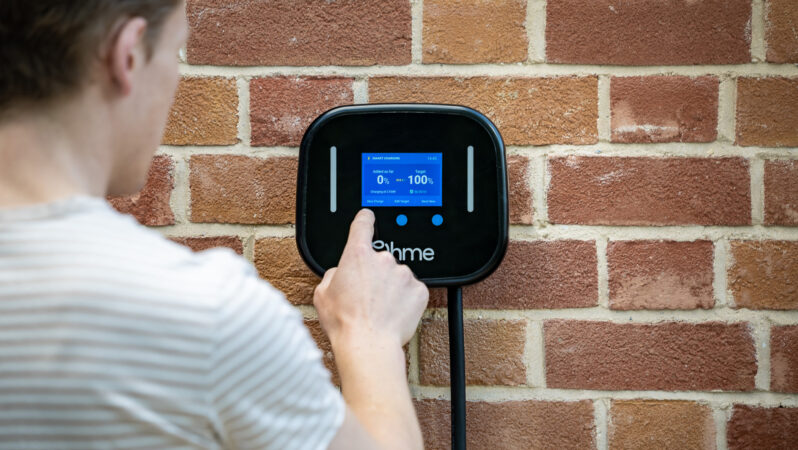
Government Slashes Red Tape for Home EV Charging
In a major win for EV drivers, renters, and property owners, the UK government has announced sweeping reforms to make home electric vehicle charging easier, faster, and more affordable. These changes specifically target the barriers that have prevented thousands of households from accessing convenient home charging, particularly renters and residents without private driveways.
Planning Permission No Longer Required
As of May 2025, planning permission is no longer required for most EV charger installations across the UK. This applies to private driveways, off-street parking, and commercial premises. The removal of this bureaucratic hurdle can save installers and property owners up to £1,100 on average and dramatically reduce project timelines from weeks or months down to just days.
Image suggestion: [Use image:60 - Zappi home charger installation showing professional SGS Energy installation service]
For EV charging installers like Plug In Stations, this regulatory change is game-changing. Projects that previously required lengthy planning applications can now proceed immediately, allowing businesses to serve more customers more efficiently.
Cross-Pavement Charging Solutions
The government is now consulting on removing planning permission requirements for cross-pavement charging gullies – discreet channels that allow residents to run charging cables from their properties to vehicles parked on the street. This reform could save drivers without driveways up to £250 in application fees and open affordable home charging to thousands more households.
Transport Secretary Heidi Alexander emphasized the fairness angle: "Wherever you park your car, we're making it fairer, easier, and cheaper to make the switch to electric."
The Cost Savings
Home charging offers dramatic cost advantages over public charging. With domestic electricity rates, families can run their electric vehicles for as little as 2p per mile – meaning a journey from London to Birmingham would cost just £2.50. Compare this to petrol costs or even public rapid charging rates, and the savings become immediately apparent.
The government is working with Ofgem to ensure public costs remain fair and to strengthen protections against landlords overcharging tenants for home charging above market rates. This regulatory oversight ensures that the benefits of cheap home charging extend to renters as well as homeowners.
Image suggestion: [Use image:63 - Tesla Wall Connector Gen 3 installation showing sleek home charging setup]
Support for Renters and Leaseholders
The reforms specifically address the challenges faced by renters and leaseholders who have historically found it difficult to install charging infrastructure. The government will mandate chargepoints in new covered car parks and is consulting on measures to make installation easier for those without private driveways.
A £25 million scheme announced in July supports local authorities in providing discreet cross-pavement channel charging solutions for residents, ensuring more people can charge easily and affordably at home.
Workplace and Public Charging Support
While home charging gets more accessible, the government hasn't forgotten workplace and public charging needs:
- The Workplace Charging Scheme offers grants covering up to 75% of purchase and installation costs, with a maximum of £350 per socket for up to 40 sockets
- The scheme has been extended to March 31, 2026
- The government is investing £381 million to roll out more than 100,000 local public chargers across England
Grid Connection Improvements
Beyond planning reforms, the government and Ofgem are working together to ensure operators offer high-quality, smooth, and rapid connections for public charging infrastructure. This ensures the network is resilient and can support ongoing rollout without grid constraints becoming a bottleneck.
Image suggestion: [Use image:67 - Modern UK home with dual EV charger post installation]
What This Means for Property Values
With 40% of UK drivers now considering proximity to EV charging as an influential factor when choosing their next home, properties with charging infrastructure are becoming more attractive. Major property portal Zoopla has even introduced EV charging filters to help house-hunters find EV-ready homes.
For property developers, landlords, and homeowners, installing EV charging infrastructure is increasingly becoming a competitive advantage rather than a nice-to-have feature.
The Business Opportunity
For EV charging installers and electrical contractors, these regulatory changes represent significant business opportunities:
- Faster project turnaround due to eliminated planning requirements
- Reduced costs for customers making services more accessible
- Expanded market including renters and those without driveways
- Government grants supporting workplace installations
- Growing demand as EV adoption accelerates
The combination of regulatory reform, financial incentives, and increasing consumer demand creates ideal conditions for businesses in the EV charging sector.
Taking Action
Property owners, landlords, and businesses looking to install EV charging should act now to take advantage of:
- Simplified planning processes
- Available grant funding (before schemes close)
- First-mover advantage in an expanding market
- Increasing property value and tenant appeal


